What Fruits and Veggies Can Be Stored Together
In that location is nil more satisfying than gathering armfuls of fresh vegetables from the garden or farmers market place – from eggplant, summer squash, and zucchini to cauliflower, avocados, and green beans. Unfortunately, different types of veggies require different storage methods. Nosotros'll show you how to shop vegetables properly, depending on the kind of veggie and length of storage.
Various vegetables require separate storage techniques to go along them fresh. Root vegetables, such equally sweet potatoes, radishes, turnips, and parsnips, store differently than leafy greens such as kale, spinach, lettuce, and collard greens. Every bit far equally storage goes, there is actually no divergence between kale and collard greens.
It'southward essential to store fruits and vegetables under the right conditions to ensure that they stay fresh and tasty. Some vegetables, such every bit winter squash require a absurd, dry place to forbid spoilage while others are happy at room temperature. Equally far as storage goes, are rutabagas and turnips the aforementioned? These root veggies both like dry, cool areas similar other squashes.
Other fruits and veggies such as watermelon, cantaloupe, bell peppers, and summertime squash require cool humidity to boring the ripening process.
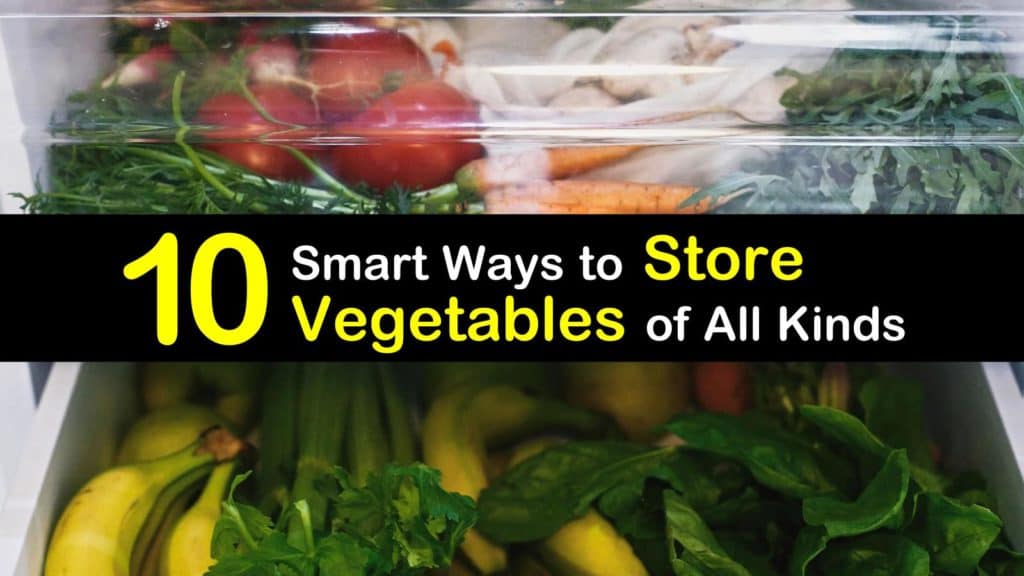
- Storing Vegetables to Keep them Fresh
- How to Shop Vegetables from the Garden
- Ways to Store Vegetables in the Refrigerator
- Storing Long Stalk Veggies
- How to Store Leafy Greens
- Storing Fresh Vegetables in the Freezer
- Storing Vegetables in the Root Cellar
- Storing Vegetables in the Basement
- Canning Veggies for Long Term Storage
- How to Pickle Vegetables
- Drying Veggies for Long Storage
Storing Vegetables to Keep them Fresh
The refrigerator is usually our "get-to" when storing nutrient until we are prepare to use and eat it. Does java last in the fridge? While the fridge is not the best place for your coffee, information technology's platonic for fresh veggies.
Whether you have a bountiful harvest of outdoor or indoor growing vegetables or you lot bought them from the grocery store or farmer'due south marketplace, you need to know your storage options.
Here are several means to store veggies to keep them fresh, whether y'all store them on the counter or in the fridge, freezer, or root cellar. For long term storage, consider canning, pickling, or drying your veggies for twelvemonth-round enjoyment.
How to Store Vegetables from the Garden
Many types of vegetables and fruits adopt resting in room temperature weather such as the countertop, cupboard, or pantry. The key is to keep the area night and dry out, like where to store coffee grounds or beans.
Countertop and Pantry Storage
All types of potatoes, tomatoes, rutabagas, onions, shallots, and difficult squash are perfect for pantry storage. When comparing parsnips vs potatoes, the same applies to parsnips. So is storing fresh garlic bulbs, as long as you volition use them inside a couple of months.
Do onions become bad? What well-nigh potatoes? All vegetables can spoil depending on their age and storage atmospheric condition.
Do not store onions and potatoes together. Both of these veggies release moisture, and the potatoes are sensitive to ethylene gas, which leads to faster spoilage.
Vegetables should not be in directly sunlight, either. The veggies think they are outdoors, and begin to sprout. Gear up them in a night area of the kitchen or a designated pantry or cupboard. Place them in a breathable newspaper bag if you do non have a dark corner of the kitchen.
The platonic temperature for storing vegetables in this manner is 50 to lxx°F. They terminal a week or more than in the pantry. During colder months or if you keep the temperature cooler, the veggies concluding up to 1 calendar month.
Ways to Store Vegetables in the Refrigerator
There are a variety of ways to store vegetables, depending on the type. Refrigerate vegetables such as bell peppers and cucumbers and fruits such equally stone fruits (nectarines and apricots), and kiwis for the freshest flavor. Information technology'southward likewise where to store jalapenos and other spicy peppers.
tb1234
How to store squash and other types of these vegetables store best in the crisper drawer of your refrigerator, and they all have varying times of freshness. Summer and yellowish squash, broccoli, green beans, and Brussels sprouts last 3 to five days.
Leave ears of corn in their husks for ane to two-twenty-four hour period storage. Eggplant, celery, zucchini, artichokes, and cucumber last up to one calendar week in the refrigerator. How to store cauliflower in the refrigerator involves keeping the cadre in identify and using the crisper drawer, too. Shop dark-green peppers for nearly vii days, besides.
The best style to store mushrooms is in the fridge is in a paper bag to extend their shelf life upwardly to five days. Put parsnips, carrots, beets, turnips, and radishes in a plastic pocketbook and store vegetables in fridge for upwards to two weeks.
Keep your fruits separate from your veggies. Fruits produce ethylene, which causes the veggies to spoil faster.
Storing Long Stalk Veggies
Asparagus, light-green onions, and other long stalk veggies need special treatment when storing them in the refrigerator. This is also truthful for fresh herbs, such as cilantro and parsley.
tb1234
Remove the rubber ring from your asparagus and cutting an inch off the bottom of the stems. Green onions exercise non need trimming earlier storing them in this fashion.
Pour an inch or ii of cold water into a Mason jar and place the veggie bottoms into the water. Encompass the top of the vegetables with a plastic purse and store them on the refrigerator shelf for upwards to vii days.
How to Store Leafy Greens
Each type of leafy greens requires specific means of refrigerator storage. What works for storing lettuce does not piece of work every bit well for Brussels sprouts or kale varieties and may non be what keeps basil fresh either.
tb1234
Lettuce must accept air apportionment and humidity to stay equally fresh as possible. Wash and spin-dry the lettuce and identify it in a perforated container on the refrigerator shelf. Store kale in the same style except put it in a perforated plastic pocketbook.
Wrap kohlrabi leaves, spinach, turnip greens, collard, and Swiss chard in a damp paper towel inside a perforated plastic bag and put them in the crisper drawer. Shop unwashed Brussels sprouts in a paper bag in the drawer if you plan on using them in three to four days.
Storing Fresh Vegetables in the Freezer
If y'all have too many vegetables and not enough room in the pantry or fridge, storing fresh vegetables past freezing them is the style to become. Some veggies are suitable for raw freezing, while others require blanching to prevent losing their crunch.
tb1234
Freezing lettuce doesn't require blanching, Neither do onions and peppers and they are the easiest to freeze. Store Brussels sprouts with blanching or non.
Whether you are freezing Brusselss sprouts or another type of vegetable, launder the veggies and pat them dry out with a paper towel first. Piece them into desired sizes and put them into a freezer bag or wrap them in aluminum foil. Label the bag and freeze them for upwardly to 10 months.
If the veggies require blanching, wash and piece them to the desired size and fix them aside. Fill a basin with water and ice. Fill a pan with h2o, bring it to a rapid boil, and add together the vegetables.
Boil them for two to three minutes and then move them to an ice water bath for another three minutes. Strain and dry the veggies, and and then place them into freezer bags. Characterization the bags and freeze them for 10 months.
Freezing is ane of the best ways to store fresh dark-green beans and the process ensures a delicious veggie whenever you lot thaw information technology out and cook information technology.
Storing Vegetables in the Root Cellar
The best way to store root vegetables is in a root cellar. This type of storage ensures that your veggies sit in the perfect climate to keep them fresh for the longest fourth dimension.
tb1234
A diversity of vegetables store well in a root cellar, including beets, parsnips, and rutabagas. In that location is not much difference betwixt potatoes and turnips regarding storage. They both last nicely in the root cellar, also.
Storing fresh carrots in the root cellar is besides best for these long veggies. Brush off any dirt from the root vegetables merely exercise not wash with water, and remove the leafy tops.
Identify the vegetables in a single layer, with infinite between each veggie, in either a crate or big bucket and cover with damp sand, sawdust, or straw. Check the veggies periodically and moisture them with a h2o spray canteen to keep the packing material damp only not wet.
When storing vegetables this style, the difference between parsnips and potatoes and other veggies does not matter. They all keep the same way.
Storing Vegetables in the Basement
If you don't accept a cellar and live in a northern climate, information technology's easy to store many of your favorite root veggies in the basement. This area of the home ofttimes provides absurd and damp conditions for storing vegetables.
tb1234
Pack root crops in a single layer and cover with damp peat moss or sawdust. Make sure that the veggies do not touch to prevent them from rotting. Layer different roots in the aforementioned container, and put the ones you plan on eating first at the tiptop.
Keep the packing material damp but not wet. Radishes and carrots store for four to vi months, radishes and rutabagas for ii to 3 months, and beets last four to five months.
Canning Veggies for Long Term Storage
Storing your vegetables in the fridge, freezer, or root cellar is a dandy way to savor fresh veggies, but canning is perfect for storing them long term to ensure that your ingather does not go to waste. The suggested veggies are optional and are easy to switch with your favorites.
tb1234
Follow the instructions for your canner and sanitize the jars and lids. Wash the vegetables under cold water and skin, trim, and cutting them to desired sizes. Put four inches of hot water into the canner and set information technology on the stove over low heat.
Cascade water into a pot, add the veggies, and bring to a boil for v minutes. Pack the jars with the hot vegetables and add enough of the hot water to cover them, leaving an inch of headspace.
Put the jar lids in place, and set them into the canner, and leave the weight or valve open. Turn the canner to high heat and allow the steam to escape for ten minutes. Put the weight on and build pressure level to 11 pounds. In one case the force per unit area reaches 10, procedure the jars for 75 minutes.
Turn the heat off on the canner and let the pressure drop to cypher before opening. Remove the canned vegetables and let them cool earlier checking to make sure that the lids seal properly.
How to Pickle Vegetables
Pickling is an excellent way to preserve veggies and for storing zucchini, and they sense of taste great with simply nearly anything, from barbecue chicken to grilled hamburgers.
This quick pickle recipe is fantabulous for storing your vegetables in the fridge and takes just 20 minutes to prepare and cook.
tb1234
Wash and slice the veggie of your choice, or mix different vegetables. Pour the water, vinegar, saccharide, and common salt into a big pot and bring it to a boil before removing it from the heat.
Place half of the garlic and spices into each jar and pack them with the veggies. Cover the peak of the vegetables with the hot brine, leaving an inch of headspace.
Cover and allow the jars to cool for near an 60 minutes before placing them in the fridge. These quick pickled veggies last two to three weeks in the fridge unless you swallow them earlier then.
Drying Veggies for Long Storage
Drying vegetables is a peachy way to store them long term. They are easy to dry, and the finished production takes up less infinite in the kitchen. Dried veggies are also easy to add to soups and stews.
tb1234
Clean and slice your vegetables of selection. Attempt to keep all of the veggies at the aforementioned thickness to ensure even drying. Earlier using one of the ways to preserve cauliflower, celery, carrots, peas, corn, broccoli, and potatoes, flinch them for three to five minutes before drying.
Place the sliced veggies on the dehydrator trays in a single layer and offset the aridity procedure. Check the possessor'due south transmission for your unit for proper drying times. The vegetables are generally dry out after eight to twelve hours. Cool the slices completely before placing them into an airtight container.
Fresh produce only stays crispy and delicious if y'all shop it properly, and it's essential to sympathise the dissimilar ways of storing them, depending on their needs. Some vegetables store best when unwashed, while washing vegetables of other kinds and peeling them helps them final longer.
Some adopt a dark identify to rest, and others want their feet in cold water. Using the right storage for your veggies means that y'all have more than fourth dimension to benefit from their tastiness.
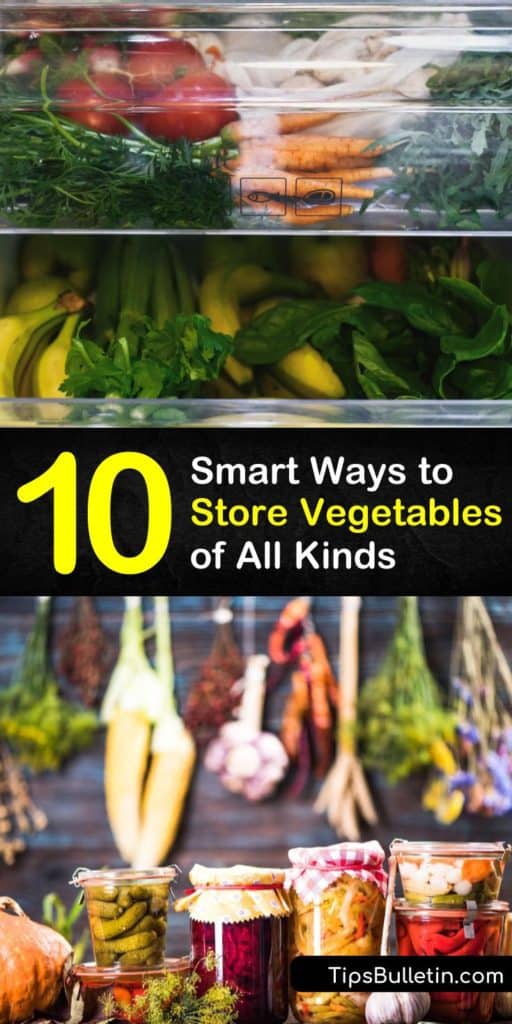
Now that you learned how to store vegetables so that they stay fresh and tasty, why non share our veggie storage tips with your family and friends on Facebook and Pinterest?
Source: https://www.tipsbulletin.com/how-to-store-vegetables/
0 Response to "What Fruits and Veggies Can Be Stored Together"
Post a Comment